

- Magnesium (bis)glycinate powder
- Well-tolerated and best absorbed

- Contains 120 mg magnesium bisglycinate per capsule
- Well-tolerated and best absorbed

- Combination of Magnesium Citrate and Malate
- Optimal absorption

- (Bis)glycinate - best absorbability
- In convenient sticks for on the go
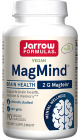
- Magnesium L-Threonate | especially for the brain
- Patented ingredient: 2000 mg Magtein®

- (Bis)glycinate - best absorbability
- Vegetarian tablets
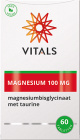
- (Bis)glycinate - best absorbability
- With taurine

- Magnesium L-Threonate | especially for the brain
- Patented ingredient: 2000 mg Magtein®

- Formula for heart and blood vessels
- With 900 mg taurine per daily dose

- Contains a high content of magnesium (200 mg) per tablet
- In case of reduced digestion (such as due to age and stress), magnesium in citrate form is best absorbed

- (Bis)glycinate - best absorbability
- Powder - Low price per day
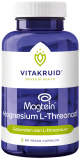
- Magnesium L-Threonate | especially for the brain
- Patented ingredient: 2000 mg Magtein®

- Contains 120 mg magnesium bisglycinate per capsule
- Stomach-friendly and very absorbable
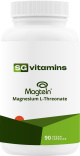
- Magnesium L-Threonate | especially for the brain
- Patented ingredient: 2000 mg Magtein®
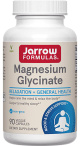
- (Bis)glycinate - best absorbability
- 120 mg per capsule

- (Bis)glycinate - best absorbability
- With taurine
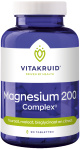
- Contains 4 easily absorbable forms of magnesium
- Magnesium as bisglycinate, citrate, taurate and malate
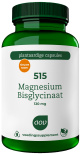
- 120 mg per capsule
- Amino acid chelate
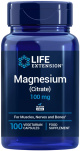
- 100 mg per capsule
- Easily absorbable citrate form
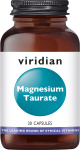
- Magnesium supports the muscles, is good for energy levels and helps with fatigue
- Contains a combination of 750 mg taurine and 56 mg magnesium per capsule

- Magnesium L-Threonate | especially for the brain
- In powder form

- Supports the muscles, is good for energy levels and helps with fatigue

- Magnesium citrate in powder form
- With natural flavors

- Contains 105 mg magnesium bisglycinate per capsule
- Well-tolerated and best absorbed

- From sea lettuce extract
- Suitable for vegetarians and vegans

- 100 mg per tablet
- Amino acid-chelated (patented Albion process) for optimal absorption
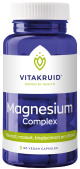
- Contains 4 easily absorbable forms of magnesium
- Magnesium as bisglycinate, citrate, taurate and malate
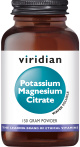
- Per daily dose 500 mg potassium and 150 mg magnesium as citrate
- Well soluble powder
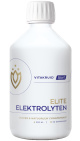
- Pure & natural concentrate
- Originating from the mineral-rich waters of Brittany

- Magnesium in easily absorbable form (bisglycinate)
- Contains 100 mg magnesium bisglycinate per capsule
Buy the best Magnesium supplements here. On this page you can find them all. Or check here for the different magnesium forms:
Or read everything about Magnesium below.

What is magnesium good for?
Magnesium has a beneficial effect on:
| Function | EFSA-approved claim |
|---|---|
| Muscles | Magnesium contributes to normal muscle function. |
| Nervous system | Magnesium contributes to normal functioning of the nervous system. |
| Energy | Magnesium contributes to normal energy-yielding metabolism. |
| Fatigue | Magnesium helps to reduce tiredness and fatigue. |
| Electrolyte balance | Magnesium contributes to electrolyte balance. |
| Protein synthesis | Magnesium contributes to normal protein synthesis. |
| Psychological function | Magnesium contributes to normal psychological function. |
| Cell division | Magnesium has a role in the process of cell division. |
| Bones and teeth | Magnesium contributes to the maintenance of normal bones and teeth. |
Which magnesium is best for the muscles?
For muscle function, magnesium forms that are well absorbed and gentle on the digestive system work best. These forms help muscles relax, and support normal nerve and muscle activity.
What are the symptoms of a magnesium deficiency?
- Muscle cramps, twitches, or weakness
- Fatigue and low energy
- Tingling or numbness in hands or feet
- Headaches or migraines
- Restlessness or sleep problems
- Increased stress sensitivity or anxiety
- Irregular heartbeat or palpitations
- Poor concentration and mood swings
Possible causes
Low intake of magnesium-rich foods, chronic stress, alcohol use, certain medications (such as diuretics or proton pump inhibitors), and gastrointestinal disorders can all reduce magnesium levels. Identifying and correcting the cause is important for recovery.
Which magnesium is best?

The best magnesium forms are magnesium bisglycinate, and magnesium L-threonate. Two other good forms are citrate and malate.
Well-Absorbed Forms
- Magnesium bisglycinate – very good absorption, gentle on the stomach, suitable for sensitive digestion
- Magnesium L-threonate – very good absorption, especially used for brain function
- Magnesium citrate – well absorbed, often used for muscle and nerve function
- Magnesium malate – may support energy production and reduce fatigue
Forms with Lower Absorption
- Magnesium oxide – contains more elemental magnesium but is poorly absorbed
- Magnesium sulfate – mainly used medically or for short-term relief
For general supplementation, magnesium bisglycinate, citrate, or malate are considered the most effective and well-tolerated forms.
How much magnesium to take per day
| Group | Recommended daily amount (mg/day) |
|---|---|
| Men (18 years and older) | 350 mg |
| Women (18 years and older) | 300 mg |
| Pregnant women | 300 mg |
| Adolescents (15–17 years) | 300–350 mg |
| Children (7–14 years) | 200–250 mg |
| Children (4–6 years) | 170 mg |
| Children (1–3 years) | 80 mg |
These values apply to healthy individuals and cover normal physiological needs. People with medical conditions should consult a doctor before supplementing magnesium.
Magnesium tablets, powder, liquid, or capsules?

Magnesium supplements come in many forms. Magnesium powder and liquid magnesium are convenient for people who have difficulty swallowing, as they can be mixed with water or another drink. These forms are also easy to dose yourself.
Magnesium tablets and capsules, on the other hand, are easy to store and take with you. Capsules generally contain fewer additives than tablets.
What foods contain magnesium?
Magnesium is found in many plant and animal foods. Whole, unprocessed foods are usually richer in magnesium than refined products. A balanced diet that includes vegetables, nuts, seeds, and whole grains helps maintain healthy magnesium levels.
Main food sources of magnesium
- Leafy green vegetables such as spinach and kale
- Nuts and seeds including almonds, cashews, chia, and pumpkin seeds
- Whole grains like oats, brown rice, and quinoa
- Legumes such as lentils, beans, and chickpeas
- Avocado and banana
- Dark chocolate with a high cocoa content
- Fish such as mackerel, salmon, and halibut
- Dairy products and fortified plant milks
Cooking and food processing can reduce magnesium content, so it is best to eat some of these foods raw or lightly cooked. Combining several magnesium-rich foods throughout the day supports consistent intake.
Does magnesium have side effects?
Magnesium is generally safe when taken within the recommended daily amount. However, too much magnesium from supplements or medicines can cause side effects. These side effects are mainly related to the digestive system.
Possible Side Effects
- Diarrhea
- Nausea
- Stomach cramps
These side effects mainly occur when using the cheaper forms of magnesium, such as magnesium oxide and sometimes magnesium citrate. With the best absorbable forms, these side effects almost never occur.
Extremely high intakes of magnesium can cause low blood pressure, irregular heartbeat, and fatigue. People with kidney problems should be cautious, as their bodies may not remove excess magnesium efficiently.
What's the best time to take magnesium?
You can take magnesium at any time of the day. Many people take it in the evening because magnesium can support muscle relaxation and may help with sleep quality. Taking it with food can reduce the chance of mild stomach upset.
Other people also view:
Written by: Wouter Olthof
Reviewed by: Liesbeth Thoen
Updated on: 12 November 2025