

- Combination of Magnesium Citrate and Malate
- Optimal absorption

- Contains a high content of magnesium (200 mg) per tablet
- In case of reduced digestion (such as due to age and stress), magnesium in citrate form is best absorbed

- 100 mg per capsule
- Easily absorbable citrate form

- Per daily dose 500 mg potassium and 150 mg magnesium as citrate
- Well soluble powder

- Magnesium citrate in powder form
- With natural flavors
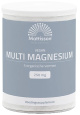
- Magnesium in 5 different forms
- Well soluble powder

- Contains 120 mg of magnesium per capsule
- in easily absorbable citrate form

- Magnesium in 5 different forms
- Contains as much as 200 mg of elemental magnesium per tablet
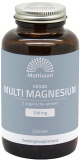
- Magnesium in 5 different forms
- Contains no less than 200 mg of elemental magnesium per capsule

- Contains 200 mg per tablet
- in easily absorbable citrate form

- Contains 250 magnesium (citrate) per scoop (1.8 grams)
- Well absorbable

- Contains a high content of magnesium (200 mg) per tablet
- Economic choice!

- Easily absorbable citrate form
- The powder is soluble in water

- High dosed and designed for (professional) athletes
- Contains as much as 200 mg of elemental magnesium per tablet
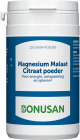
- Magnesium in powder form, highly soluble
- Combination of Magnesium Citrate and Malate

- In powder form
- Contains high doses of ribose (3000 mg), acetyl-L-carnitine (750 mg) and magnesium (300 mg)

- 150 mg magnesium citrate per gummie
- With tasty berry flavor

- 60 mg magnesium per capsule
- in easily absorbable citrate form
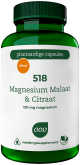
- Combination of Magnesium Citrate and Malate
- Without additives that interfere with absorption or cause allergies

- Magnesium supports the muscles, is good for energy levels and helps with fatigue
- The powder is soluble in water

- Easily absorbable citrate form
- Plus low dose of active Vitamin B6

- 125 mg magnesium citrate per capsule
- Well absorbable

Buy all your Magnesium Citrate supplements here: capsules, powder or tablets. Or read more about it below.

Magnesium bound to citric acid
Magnesium citrate is a combination of magnesium and citric acid. This form of magnesium is well absorbed by the body. It is available in capsules, tablets and powder, where the powder can be mixed with water or juice.
Because pure magnesium is poorly absorbed, supplements often contain the bound form, such as magnesium citrate. These organic forms have much better absorption even without food in the stomach, and can help with constipation by drawing water to the intestines.
Normal intake of magnesium citrate generally does not cause any side effects, provided you stick to the recommended daily amount. Magnesium may have a laxative effect at doses above 250 mg. Keep this in mind to avoid diarrhea.
How does magnesium citrate work?

Magnesium citrate works largely the same as other forms of magnesium. Differences in how it works mainly depend on how well a specific magnesium compound is absorbed by the body.
Magnesium citrate is one of the more easily absorbed magnesium compounds. The same applies to magnesium bisglycinate, which is absorbed even better, but is also more expensive.
When to take magnesium citrate?
Magnesium citrate can be taken at any time of day.
Magnesium citrate is often taken during or after a meal to reduce the chance of stomach or intestinal discomfort, although this risk is already very small with this form.
When magnesium citrate is taken on an empty stomach, there is a slightly higher chance of looser stools.

How much magnesium citrate per day?
For adults, the typical daily intake of magnesium from all sources is around 300 to 400 mg (elemental magnesium).
Magnesium citrate supplements often provide 100 to 200 mg of elemental magnesium per day. This amount is usually taken once or split into two doses.
Higher doses of magnesium citrate may cause diarrhea. For this reason, it is advisable not to exceed the recommended dosage stated on the label. As an alternative to magnesium citrate, you can choose magnesium bisglycinate, a form that rarely leads to overly soft stools.
Magnesium powder
We have 6 magnesium citrate products in powder form, from Solgar, Viridian, Bonusan, and Mattisson.

What are the side effects of magnesium citrate?
Magnesium citrate is generally well tolerated, but side effects can occur, especially at higher dosages.
The most common side effect with some higher intakes is diarrhea. This happens because magnesium citrate draws water into the intestines.
Other possible, but rare, side effects include stomach cramps, nausea, or a bloated feeling.
People with kidney problems should be cautious, as excess magnesium may not be eliminated efficiently by the body. This applies to all forms of magnesium.
Other people also view:
Written by Wouter Olthof
Reviewed by Liesbeth Thoen
Updated on January 12, 2026