
5 Best Thorne Products for the Liver

- Formula for the liver
- Contains berberine, milk thistle, burdock root and chicory

- Formula for the liver and digestion
- Contains milk thistle (Siliphos®), artichoke and curcumin (Meriva®)

- First choice for liver & bile
- 6x better absorption by phytosome technology

- Berbevis® Berberine Phytosome
- More than 9 times better absorbable than other berberines

- Contains 420 mg phosphatidylcholine per capsule
- Best form of choline
Powerful Formulas for the Liver

- Formula for the liver
- With standardized milk thistle, broccoli, dandelion and artichoke extracts

- Formula for the liver and digestion
- Contains milk thistle, artichoke and curcumin

- Formula for the liver
- Standardized extracts with 80% silymarin and 20% curcuminoids

- Formula for the liver
- Contains artichoke, milk thistle and turmeric

- Formula for the liver and digestion
- Contains a patented bacteria blend supplemented with artichoke and chicory

- Formula for the liver
- Contains, among other things, milk thistle, choline and inositol

- Formula for the liver
- Contains vitamins, minerals, amino acids and herbs

- Formula for the liver
- Contains, among other things, milk thistle, choline and inositol

- Formula for the liver and immune system
- According to traditional Tibetan recipe
6 Best Supplements for the Liver


Curcuma supports digestion and the liver. Pay close attention to the absorbability of the specific extracts.
Several raw material manufacturers have developed special milk thistle extracts that are highly absorbable and provide higher blood levels of active silymarin and its isomers.


Artichoke extract is very healthy. It contains the healthy caffeoylquinic acid that contributes to normal cholesterol levels and is good for the cardiovascular system and liver.

Choline is an important (semi-)essential nutrient. It provides methyl groups for the synthesis of SAMe (S-adenosylmethionine).
The herb Berberis aristata has positive effects on cardiovascular, cholesterol, liver and blood sugar regulation. Its main active ingredient is the substance berberine.
Buy the best supplements for the liver here. Or read more below.
Key takeaways
- For the best results, choose a supplement that combines multiple active ingredients.
- The best liver supplement formulas are Thorne Liver Cleanse and Thorne S.A.T.
- A Mediterranean-style diet, or at least a diet based on minimally processed foods, is the best choice for liver health.
Which Thorne supplements are available for the liver?
Thorne offers two premium supplements formulated with the liver in mind: Liver Cleanse and S.A.T.
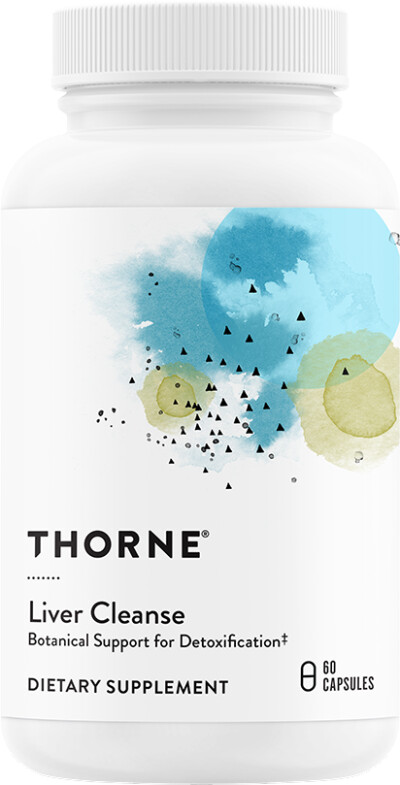
What is Thorne Liver Cleanse?
Thorne Liver Cleanse is a supplement containing a blend of botanical ingredients, including berberine, milk thistle, burdock root, and chicory. The formula is designed for people looking to provide additional support for normal liver function and digestion.
What is Thorne S.A.T.?
Thorne S.A.T. is a supplement named after its three main botanical ingredients:
- S – Siliphos®: a patented milk thistle extract.
- A – Artichoke: artichoke extract.
- T – Turmeric: an extract derived from the turmeric plant.
The formula combines these three botanical extracts in a single supplement.
What is the difference between Liver Cleanse and S.A.T.?
The main difference between Thorne Liver Cleanse and S.A.T. lies in their ingredients. Liver Cleanse contains berberine, milk thistle, burdock root, and chicory, while S.A.T. focuses on a combination of milk thistle, artichoke, and turmeric. Although both supplements are used as part of a supplement regimen focused on liver health, their formulations are different. Feel free to ask our orthomolecular therapist about their respective applications.
What is the liver?
The liver (hepar) is the largest internal organ in the human body. It plays a vital role in metabolism, nutrient storage, processing substances, and producing bile.
The liver is located in the upper right part of the abdominal cavity, just beneath and attached to the diaphragm. It is divided into two main lobes and is protected by the rib cage.
Bonusan Liver Formula
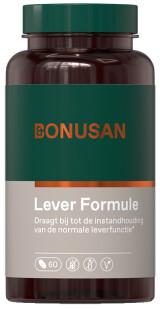
Bonusan offers a comprehensive liver supplement containing four standardized botanical extracts: milk thistle, dandelion, artichoke, and broccoli extract.
The formula also contains choline, L-cysteine, taurine, zinc, selenium, and vitamin C.
Bonusan Liver Formula was developed by Bonusan's Research & Development team based on the latest scientific research and clinical experience. It is manufactured at Bonusan's own production facility in the Netherlands.
Lifestyle tips for liver health
- A Mediterranean-style diet has some of the strongest scientific evidence for reducing liver fat and supporting metabolic health.
- Bitter foods may help support liver function. Examples include radishes, black radishes, chicory, and Brussels sprouts. Bitter compounds may also have a positive effect on bile production. Organically grown vegetables often contain more of these bitter compounds than conventionally grown vegetables.
- Choose minimally processed foods whenever possible. Focus on vegetables, fruit, legumes, whole grains, nuts, and seeds. Opt for healthy fats from sources such as olive oil, nuts, seeds, avocados, and oily fish.
- Stay physically active and avoid sitting for long periods. Take regular short breaks to walk or move around.
- Limit alcohol consumption and include alcohol-free days in your routine.
- Reduce your exposure to harmful substances, including tobacco smoke.
- Minimize exposure to potentially harmful chemicals and choose natural cleaning products where possible. This can help reduce unnecessary exposure to certain chemical substances.
Frequently asked questions
Can the liver repair itself?
Yes, the liver has a remarkable ability to repair and regenerate itself, especially when the underlying cause of damage is removed early. However, the liver is not indestructible. Repeated or severe damage can lead to fibrosis (scar tissue formation), cirrhosis, and irreversible loss of liver function.
What is fatty liver disease?
Fatty liver disease occurs when excess fat accumulates in liver cells, typically accounting for more than 5% of the liver's weight. It is often associated with excess body weight, insulin resistance, type 2 diabetes, dietary habits, physical inactivity, or alcohol consumption. In its early stages, fatty liver disease may cause no noticeable symptoms.
The condition is often reversible through weight loss, a healthy diet, regular physical activity, and reducing or eliminating alcohol consumption.
What are the symptoms of liver problems?
Common symptoms include fatigue, dull pain or discomfort in the upper right abdomen, itching, and nausea. Liver problems may also be associated with irritability and mood changes.
How does alcohol affect the liver?
Alcohol is metabolized by the liver, producing toxic byproducts that can contribute to fat accumulation, inflammation, and liver cell damage.
What are the functions of the liver?
The liver performs several essential functions in the body. These include regulating blood sugar levels, storing nutrients, metabolizing proteins and fats, and processing a wide range of substances.
The liver and blood sugar regulation
The liver plays a central role in regulating blood glucose levels. When blood glucose levels are high, insulin stimulates the conversion of excess glucose into glycogen, which is temporarily stored in the liver and muscles.
When blood sugar levels fall, glucagon stimulates the breakdown of liver glycogen into glucose. The liver then releases this glucose into the bloodstream to help maintain normal blood sugar levels.
Nutrient storage
The liver stores several essential nutrients, including iron and certain vitamins. These reserves can be released or used when the body needs them.
Protein metabolism
The liver plays an important role in protein metabolism, including processing proteins and converting amino acids into substances needed by the body.
Fat metabolism
The liver is involved in fat metabolism, including the breakdown, production, and processing of various fats and lipid compounds.
Processing substances
The liver processes a wide range of substances carried to it through the bloodstream, including medications and other foreign compounds. Many of these substances undergo chemical transformations in the liver before they are further processed or eliminated from the body.
Hormone metabolism and breakdown
The liver helps break down and process various hormones, contributing to the regulation of hormone levels in the body.
Bile production
The gallbladder is located beneath the liver. The liver produces slightly more than half a liter of bile each day, which is essential for fat digestion. Bile is stored in the gallbladder, where water is removed to make it more concentrated. Without bile, the absorption of fat-soluble vitamins A, D, E, and K is severely impaired.
The hormone cholecystokinin triggers the gallbladder to release bile. This hormone is produced by cells in the wall of the duodenum, the first part of the small intestine. Cholecystokinin also stimulates the pancreas to secrete digestive enzymes.
How big is the liver?
In an average adult, the liver weighs approximately 1.5 kg.
What is the structure of the liver?
The liver consists of millions of small functional units called hepatic lobules. These lobules are primarily composed of hepatocytes (liver cells), blood vessels, bile canaliculi, and various supporting cells. Many essential processes take place within these structures, including the metabolism of nutrients and the processing of other substances delivered to the liver through the bloodstream.
How is the liver supplied with blood?
The liver has a unique dual blood supply. Most of its blood enters through the portal vein (vena portae), while a smaller proportion comes from the hepatic artery (arteria hepatica).
- The portal vein supplies approximately 75% of the liver's blood flow. This blood is relatively low in oxygen but rich in nutrients and other substances absorbed from the gastrointestinal tract, including medications and other foreign compounds.
- The hepatic artery supplies approximately 25% of the liver's blood flow, delivering oxygen-rich blood from the systemic circulation.
What happens to blood as it passes through the liver?
Blood from the portal vein and hepatic artery mixes in specialized small blood vessels called hepatic sinusoids. Blood flows slowly through these vessels, passing close to hepatocytes. This allows liver cells to absorb, metabolize, store, or break down substances carried in the bloodstream.
The blood then flows into the central veins of the hepatic lobules. From there, it passes through progressively larger blood vessels until it reaches the hepatic veins (venae hepaticae). These drain into the inferior vena cava, which carries the blood back to the heart.
Written by Liesbeth Thoen
Updated on October 19, 2026