
15 Best Vitamin B12 supplements
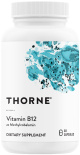
- Contains 1000 mcg of vitamin B12 per capsule
- Vitamin B12 in easily absorbable methylcobalamin form
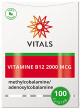
- Contains 2000 mcg of vitamin B12 per lozenge
- Vitamin B12 in biologically active methylcobalamin and adenosylcobalamin form
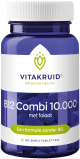
- Contains 10,000 mcg of vitamin B12 per lozenge
- Completed with folic acid
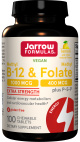
- Contains 400 mcg folic acid and 1000 mcg vitamin B12 per chewable tablet
- Vitamin B12 in easily absorbable methylcobalamin form
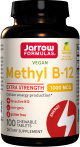
- Contains 1000 mcg vitamin B12 per lozenge
- Biologically active form of vitamin B12 (methylcobalamin)
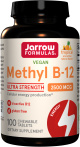
- Contains 2500 mcg of vitamin B12 per lozenge
- Biologically active form of vitamin B12 (methylcobalamin)
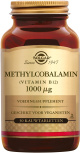
- Contains 1000 µg vitamin B12 per tablet
- Contains methylcobalamine, an active form of vitamin B12 in the body
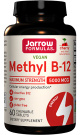
- Biologically active form of vitamin B12 (methylcobalamin)
- Better absorbable and more active in the body than other vitamin B12 forms

- Vitamin B12 in easily absorbable methylcobalamin form
- Suitable for vegetarians and vegans
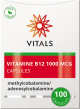
- Contains 1000 mcg of vitamin B12 per capsule
- Vitamin B12 in biologically active methylcobalamin and adenosylcobalamin form
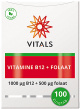
- Contains 500 mcg folic acid and 1000 mcg vitamin B12 per capsule
- Vitamin B12 in biologically active methylcobalamin and adenosylcobalamin form
- Vitamin B12 in biologically active methylcobalamin and adenosylcobalamin form
- Very high dose
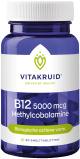
- Contains 5,000 mcg of vitamin B12 per lozenge
- Vitamin B12 in easily absorbable methylcobalamin form
- Contains 5,000 mcg of vitamin B12 per lozenge
- Vitamin B12 in active adenosyl cobalamin form
- Contains 6000 mcg vitamin B12 per lozenge
- Completed with folic acid and vitamin B6
Buy the most effective vitamin B12 supplements here. Everything is in stock.
Order today = Delivered tomorrow. Or first read more about the different forms of vitamin B12 below.
What does it do?
Vitamin B12 supports several core processes in the body. And it plays a direct role in the production of blood, nerves, and cells.
Main functions of vitamin B12
- Supports the production of red blood cells
- Contributes to normal nerve function
- Plays a role in DNA synthesis and cell division
- Helps reduce fatigue by supporting energy metabolism
- Supports normal psychological function
How much vitamin B12 do you need per day?
The recommended daily intake of vitamin B12 depends on age and life stage. For adults, guidelines vary slightly by authority.
Recommended daily intake of vitamin B12
| Group | Daily amount |
|---|---|
| Adults | 2.4–4 micrograms |
| Pregnant women | 2.6–4.5 micrograms |
| Breastfeeding women | 2.8–5 micrograms |
| Children | 0.9–2.4 micrograms |
What are the symptoms of a vitamin b12 deficiency?
A vitamin b12 deficiency can present with physical, neurological, and psychological symptoms. Which symptoms occur and how severe they are varies from person to person and depends on how long the deficiency has been present.
We are not allowed to explain here exactly what the symptoms of a vitamin b12 deficiency are. In addition, most symptoms, such as fatigue (which may be mentioned), are fairly nonspecific and can have many other causes.
Clear overviews of symptoms can easily be found online. If you think you may have a deficiency, consult your general practitioner and have your vitamin b12 level checked with a blood test.
How can you quickly increase your B12 levels?
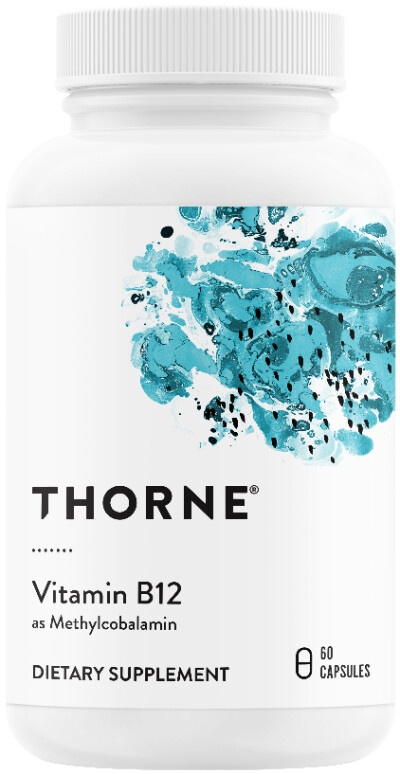
The fastest way to increase your B12 levels is by taking a vitamin B12 supplement. However, the most important factor is eating the right foods.
Vitamin B12 is found exclusively in animal products. People who consume little or no animal products, such as vegans, have an increased risk of vitamin B12 deficiency.
For this reason, it is important for vegans to choose products that are fortified with vitamin B12 or to use a vitamin B12 supplement.
What are normal blood levels for vitamin B12?
Normal blood levels for vitamin B12 are typically between 150 and 700 pmol/l. Values below 150 pmol/l often indicate a deficiency.
Interpretation
- < 150 pmol/l: deficient
- 150–300 pmol/l: possible deficiency, further testing needed
- > 300 pmol/l: usually sufficient
Reference values may vary between laboratories.
Too much vitamin B12?
No chance of overdose: Vitamin B12 is safe
The risk of adverse effects from too much vitamin B12 is very small. No unwanted effects have been known in people who took too much vitamin B12 for long periods of time. The body ensures that too much vitamin B12 is not absorbed into the body from the gastrointestinal tract.
The European goods authority EFSA has not set a safe upper limit in its assessment of B12. This means that even at high doses of many times the (very low) recommended daily allowance (2.8 mcg) there are no known side effects.
For whom is more B12 especially important?
- People who suffer from stress and/or fatigue
- Vegetarians and vegans
- People taking antacids
- Pregnant women
- Seniors

Forms of B12: methylcobalamin, adenosylcobalamin, hydroxocobalamin
What is it?
Vitamin B12 is a so-called water-soluble vitamin that comes in many forms. B12 is a cofactor (excipient) in numerous biochemical processes in our body. Among other things, it plays a role in the production of blood, epithelial and nerve cells.
4 forms of B12
Vitamin B12 (Cobalamin) is a very complex molecule, much more complex than other vitamins. For enthusiasts, the molecular formula is: C63H88N14O14PCo (C: carbon, H: hydrogen, N: nitrogen, O: oxygen, P: phosphorus, Co: cobalt)
B12 occurs in 4, nearly identical forms:
- cyanocobalamin
- hydroxocobalamin
- adenosylcobalamin (dibencozide)
- methylcobalamin
But small differences in the structure of molecules can have major effects for action. And this is certainly true of B12:
Methylcobalamin is the biologically active form that requires no further conversion in the body and is therefore the most effective.
Adenosylcobalamin (also called dibencozide) has partly somewhat different functions in the body than methylcobalamin and is sometimes offered together in products.
Hydroxocobalamin is mostly used in pharmaceutical forms of B12 and is not suitable for taking orally (unless in liposomal form). It is used in the form of injections or as nasal drops.
Cyanocobalamin must first be converted into a form usable by the body, placing a burden on the liver. There is really no reason to take cyanocobalamin in a supplement.
Where is vitamin B12 found?
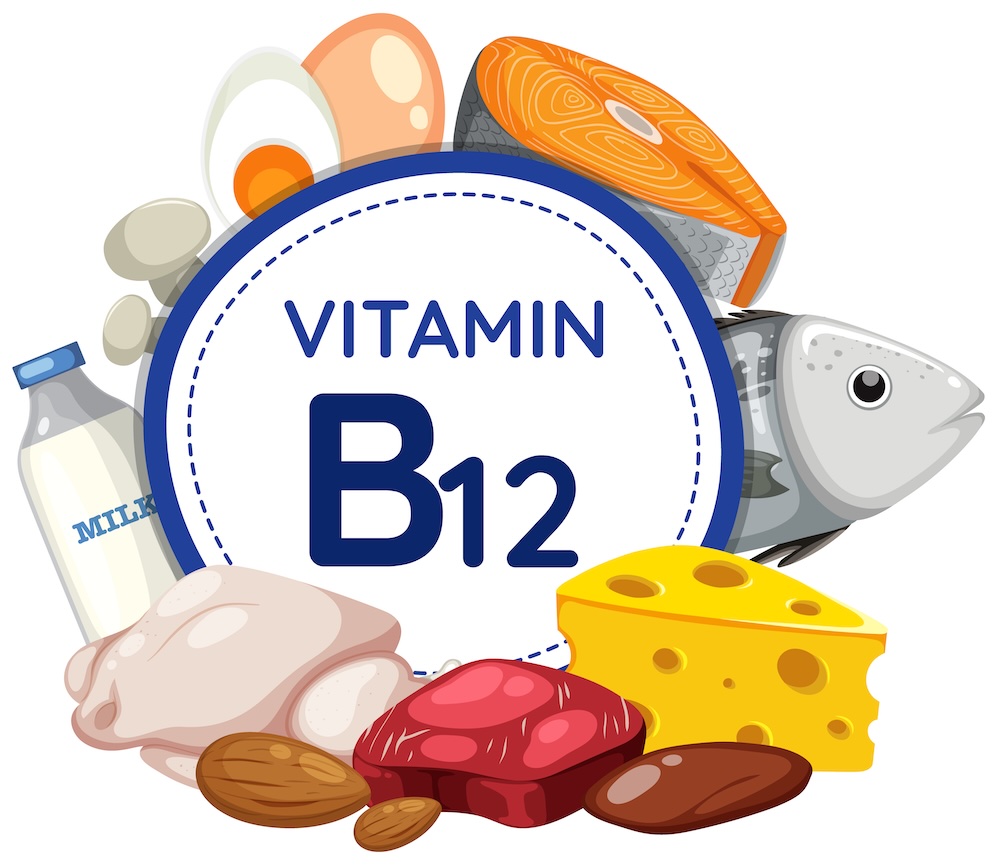
Vitamin B12 occurs naturally in foods of animal origin. Plant foods do not contain active vitamin B12 unless it is added through fortification.
Foods naturally high in vitamin B12
- Liver (beef, lamb, or chicken)
- Shellfish such as clams, mussels, and oysters
- Fatty fish such as salmon, mackerel, and sardines
- Meat, especially beef and lamb
- Eggs, mainly the yolk
- Dairy products such as milk, yogurt, and cheese
Foods with added vitamin B12
- Breakfast cereals with added vitamin B12
- Plant-based milk alternatives with added vitamin B12
- Meat substitutes with added vitamin B12
Use in combination with other supplements
Vitamin B12 can be used safely with other supplements.
Often, in addition to vitamin B12, folic acid is also used. Vitamin B12 can also be obtained by using a vitamin B complex or multivitamin.
Please note the dosage: if you need a high dose of B12, then a loose supplement is actually always better. Multi's always contain (much) less than 1000 mcg of vitamin B12.
Other views also:
Written by Peter Smeets and Wouter Olthof
Reviewed by Liesbeth Thoen
Updated on January 12, 2026