
- Best absorbable liposomal form - 1000 mg
- Vitamin C in liquid form
- Vitamin C ascorbic acid - 500 mg
- With bioflavonoids
- Vitamin C ascorbic acid - 1000 mg
- Highly dosed and pure
- Contains 1000 mg of vitamin C (ascorbic acid)
- Highly dosed and inexpensive
- Calcium ascorbate threonate - 1000 mg
- With rutin and bioflavonoids from citrus, acerola cherry and rose hip
- Calcium ascorbate threonate - 500 mg
- With rutin and bioflavonoids from citrus, acerola cherry and rose hip
- Calcium ascorbate threonate - 1000 mg
- Contains Ester-C®
- Contains 1000 mg of vitamin C per capsule, without bioflavonoids
- Easy to take due to capsule shape

- Calcium/magnesium/potassium ascorbate
- Not acidic due to neutral pH value
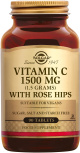
- Contains 1500 mg of vitamin C per tablet
- With rose hip bioflavonoids
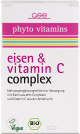
- With 100% natural iron from curry leaves
- Vitamin C from Amla
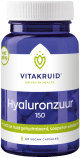
- Anti-Aging Formula
- Contains patented Hyaluronic acid and Vitamin C
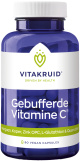
- Formula for the immune system
- Vitamin C as magnesium and calcium ascorbate: less acidic
- Contains 1000 mg of vitamin C per tablet
- With bioflavonoids from rose hip to enhance the effect
- With 550 mg patented PureWay-C™
- With bioflavonoids
- Fat-soluble form of vitamin C
- In capsules
- Contains 250 mg of vitamin C per capsule
- From organic amla
- Contains 500 mg of vitamin C per capsule
- Capsule shape facilitates intake
- Contains all B-vitamins
- Contains 250 mg vitamin C per tablet
- Contains 500 mg of camu-camu per capsule
- Highly dosed
- Vitamin C as magnesium, potassium and zinc ascorbat
- Contains high dose of non-acidic vitamin C
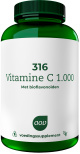
- Contains 1000 mg of vitamin C per tablet
- Contains 50 mg of citrus bioflavonoids per tablet
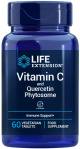
- Contains 1000 mg of vitamin C per tablet
- Contains 15 mg bio-quercetin phytosome per tablet
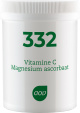
- Ascorbate powder
- Contains a non-acidic form of vitamin C (stomach friendly)

- Combination of vitamins C and D
- Gummy with delicious forest fruit flavor
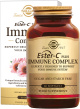
- Formula for the immune system
- Comprehensive immune formula based on Ester-C®, the most effective form of vitamin C
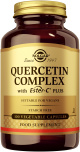
- Formula for the immune system and for more energy
- Contains 250 mg quercetin per capsule
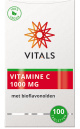
- Contains 1000 mg of vitamin C per tablet
- With citrus bioflavonoids, rose hip and hesperidin
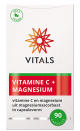
- Contains high dose of non-acidic vitamin C
- Suitable for vegetarians and vegans
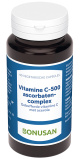
- Vitamin C as magnesium, potassium and zinc ascorbat
- Supplemented with natural vitamin C from acerola powder
Buy the best Vitamin C here in capsules/tablets, powder, liquid or gummies. Or first read more about vitamin C.
Vitamin C must be absorbed well
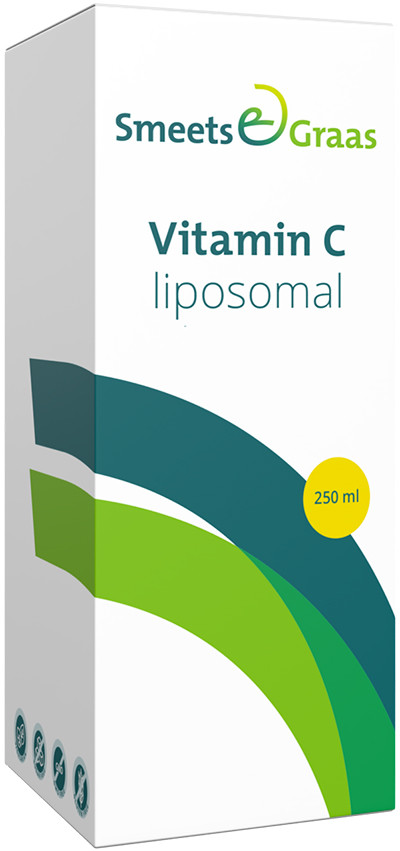
Good absorption of vitamin C is important. Do not use products that release vitamin C slowly. The body absorbs vitamin C in the stomach and in the first part of the small intestine.
Avoid low quality vitamin C tablets. These tablets break down slowly, so the body absorbs only a small amount of vitamin C.
Choose vitamin C in liquid form (liposomal), in powder form, in capsules, or in high quality tablets.
Vitamin C Infographic
Click the image to view the full infographic about vitamin C.

What does Vitamin C do?
Vitamin C (ascorbic acid) is a water-soluble vitamin that supports the immune system. It helps keep bones, teeth, skin, and blood vessels healthy. It also supports the nervous system and plays a role in energy production. Vitamin C acts as an antioxidant and works with vitamin E to protect the body from free radicals. Free radicals influence aging processes. Vitamin C also improves iron absorption.
Can our body produce vitamin C?
Humans cannot synthesize vitamin C. We depend fully on food for our vitamin C intake. Vitamin C is water soluble and spreads through the entire body, with the highest concentration in the adrenal glands and the pituitary gland. The body stores the largest total amount of vitamin C in the liver and skeletal muscles because these organs take up a large part of our body mass.
Vitamin C is essential for the production of collagen and other connective tissue molecules. Because of this, vitamin C helps keep blood vessels strong and flexible. All tissues that give the body structure and strength depend on vitamin C during growth and repair. These include the joints, tendons, skin, muscles (including the heart muscle), bones and connective tissue.
What is vitamin C?
Vitamin C (ascorbic acid) is probably the best-known vitamin. As early as the 17th century people noticed that weak sailors recovered quickly after eating citrus fruits. Food on long sea voyages was limited and not fresh. Yet vitamin C itself was only identified in the 1930s.
In 1937, the British scientist Walter Norman Haworth received the Nobel Prize in Chemistry for discovering the structure of vitamin C.
In the 1960s, the two-time Nobel Prize winner Linus Pauling helped introduce orthomolecular nutrition and gave vitamin C an important place within that field.
Good sources
Good sources of vitamin C include citrus fruits, kiwis, strawberries, berries, Brussels sprouts, bell peppers, broccoli and other types of cabbage.
Poor sources
Many fruits are not the strong vitamin C sources people assume them to be. Apples and bananas are poor sources. They contain only a few milligrams, while one kiwi contains more than 100 mg. This does not mean apples and bananas are unhealthy. They provide many other useful nutrients.
No self-synthesis
Most animals can produce vitamin C in their own body, but humans, great apes and a few other species cannot. This ability was lost somewhere in evolution, likely during a period when vitamin-C-rich food was easy to find.
From a modern point of view, it is unfortunate that we lost this ability. Getting enough vitamin C from food is not always easy, and vitamin C is essential for many processes in the body. Vitamin C is best known for its antioxidant role and for supporting the production of collagen and other connective tissue molecules that give the body structure and strength.
Forms of vitamin C
In its basic form, vitamin C consists of ascorbic acid. The name already shows it: ascorbic acid is an acid with a pH of 2.3, and many people do not tolerate this well, especially at higher intakes.
Because of this, several non-acidic forms of vitamin C exist. These include mineral ascorbates, where vitamin C is bound to magnesium or calcium, and Ester-C, a patented form of calcium ascorbate that also contains compounds the body makes from vitamin C.
Natural forms
There is also a natural full-spectrum form that contains vitamin C along with hundreds of plant compounds from tropical plants such as camu-camu, amla and acerola. Synthetic and natural vitamin C are chemically identical. The advantage of plant-based vitamin C is the presence of extra compounds. The most important are bioflavonoids, which are also found in fruits and vegetables.
Liposomal vitamin C
A relatively new form of vitamin C uses phosphatidyl lipids from lecithin to surround the ascorbic acid. This may improve uptake into cells. Early developers claim its effect is similar to intravenous vitamin C. CureSupport developed a liposomal vitamin C with higher bioavailability. It enters the bloodstream quickly, reaches the cells directly and raises blood vitamin C levels threefold in studies.
Ascorbyl palmitate
Ascorbyl palmitate consists of an ascorbic acid molecule and a palmitic acid molecule. It dissolves in both water and fat and is used as an antioxidant in canned foods and in cosmetics such as creams. This form may cross the blood-brain barrier more easily.
PureWay-C®

PureWay-C® is a patented vitamin C form that contains lipid metabolites and bioflavonoids. Whole-food products that use this ingredient offer high bioavailability and fast absorption.
Less acidic vitamin C forms
Ascorbic acid is the cheapest and most common form of vitamin C, but many people do not tolerate its acidity well. Non-acidic options include mineral ascorbates, where vitamin C is bound to minerals such as calcium or magnesium, and Ester-C.
Calcium ascorbate
Calcium ascorbate is suitable for people who do not tolerate ascorbic acid. It has a neutral pH and rarely causes digestive discomfort. For higher intakes, a buffered form is often preferred.
Magnesium ascorbate
Magnesium ascorbate provides both vitamin C and magnesium. It has a neutral pH and is suitable for people who do not tolerate acidic vitamin C.
Sodium ascorbate
Sodium ascorbate is another buffered form. Hospitals often administer it intravenously.
Ester-C
Ester-C is considered the third generation of vitamin C. It combines several advantages of ascorbic acid and calcium ascorbate.
After vitamin C enters the body, it is converted, and one of the main metabolites is threonate. Ester-C is calcium ascorbate that is already partly oxidized, which means threonate is already present.
Threonate and other metabolites support the uptake and use of vitamin C. Threonate can also release stored vitamin C in the body so it becomes available for metabolic processes. Ester-C consists of a complex of calcium ascorbate with naturally occurring vitamin C metabolites.
Other views also:
Updated on: 3 December 2025