
2 Best Molybdenum supplements
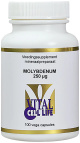
- 250 mcg molybdenum
- Vegetarian capsule
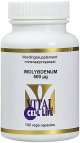
- 500 mcg molybdenum
- Vegetarian capsules
Buy the two high dose Molybdenum supplements from Vital Cell Life here.
What is molybdenum?
Molybdenum is a mineral. More specifically, it is a trace mineral, which means that the body only needs it in very small amounts.
What is molybdenum good for?
Molybdenum is required for the activity of several enzymes. Together with other substances, it forms the molybdenum cofactor (MoCo), which is essential for the function of certain enzymes in the body, including those involved in:
- The breakdown of aldehydes: molybdenum is required for the activity of the enzyme aldehyde oxidase. This enzyme helps break down certain aldehydes, including acetaldehyde, which is produced during the breakdown of alcohol. Aldehydes can also be formed during various fermentation processes, for example by yeasts in the gut.
- The breakdown of purines: molybdenum is required for the enzyme xanthine oxidase, which helps convert purines into uric acid. Purines are breakdown products associated with animal proteins and can be more difficult for the body to eliminate. Uric acid is more readily excreted.
- The breakdown of sulfur-containing amino acids: the enzyme sulfite oxidase converts sulfite into sulfate. Sulfite is produced, among other things, during the breakdown of sulfur-containing compounds and amino acids. Molybdenum is part of the molybdenum cofactor required for sulfite oxidase activity and therefore for this conversion.
Molybdenum itself is therefore not an enzyme, but forms part of the cofactor that these enzymes need to function.
Which foods contain molybdenum?
Molybdenum occurs naturally in a variety of foods. Sources include legumes, grains, nuts and seeds. Liver also contains molybdenum. The amount of molybdenum in plant-based foods can vary, partly depending on the molybdenum content of the soil in which they are grown.
How much molybdenum do you need per day?
For adults, the maximum daily intake is 600 mcg of molybdenum, including molybdenum from both food and supplements.
Molybdenum as a supplement
Molybdenum is also available in dietary supplements. A high molybdenum intake can affect copper status. Conversely, a high copper intake can influence the availability of molybdenum.
For this reason, when higher doses are used over a prolonged period, it is important to take the interaction between molybdenum and copper into account.
Written by Liesbeth Thoen
Updated on September 29, 2026