

- Magnesium (bis)glycinate powder
- Well-tolerated and best absorbed
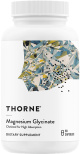
- Contains 120 mg magnesium bisglycinate per capsule
- Well-tolerated and best absorbed

- (Bis)glycinate - best absorbability
- In convenient sticks for on the go
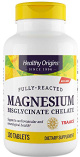
- (Bis)glycinate - best absorbability
- Vegetarian tablets
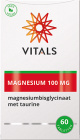
- (Bis)glycinate - best absorbability
- With taurine

- (Bis)glycinate - best absorbability
- Powder - Low price per day

- Contains 120 mg magnesium bisglycinate per capsule
- Stomach-friendly and very absorbable
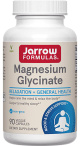
- (Bis)glycinate - best absorbability
- 120 mg per capsule
- (Bis)glycinate - best absorbability
- With taurine
- Contains 4 easily absorbable forms of magnesium
- Magnesium as bisglycinate, citrate, taurate and malate
- 120 mg per capsule
- Amino acid chelate
- Contains 105 mg magnesium bisglycinate per capsule
- Well-tolerated and best absorbed
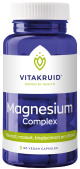
- Contains 4 easily absorbable forms of magnesium
- Magnesium as bisglycinate, citrate, taurate and malate
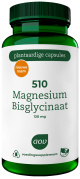
- 120 mg per capsule
- Amino acid chelate
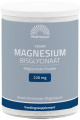
- Magnesium in easily absorbable form (bisglycinate)
- In powder form

- 100 mg per tablet
- Amino acid-chelated (patented Albion process) for optimal absorption
- (Bis)glycinate - best absorbability
- With the amino acids glycine and taurine, important synergists
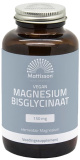
- (Bis)glycinate - best absorbability
- 75 mg magnesium per capsule
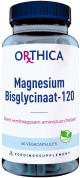
- (Bis)glycinate - best absorbability
- 120 mg per capsule
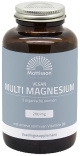
- Magnesium in 5 different forms
- Contains as much as 200 mg of elemental magnesium per tablet

- Magnesium in easily absorbable form (bisglycinate)
- Contains 100 mg magnesium bisglycinate per capsule
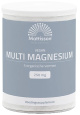
- Magnesium in 5 different forms
- Well soluble powder
- Magnesium in 5 different forms
- Contains no less than 200 mg of elemental magnesium per capsule
- (Bis)glycinate - best absorbability
- 100 mg per tablet
- With the amino acids glycine and taurine, important synergists
- Well soluble powder
- Formula for athletes
- Contains 3 easily absorbable forms of magnesium
- Formula for concentration, learning ability and memory
- A combination of bacterial strains, prebiotics, and magnesium
Buy Magnesium Bisglycinate supplements here: powder or capsules. Or read more about it first below.

Magnesium Glycinate
Magnesium glycinate and magnesium bisglycinate are two names for the same compound. They are therefore not two different forms of magnesium. Most supplement manufacturers, however, call it “magnesium bisglycinate”.
In magnesium bisglycinate, each magnesium ion is bound to two glycine molecules, which makes it, under certain conditions, even better absorbed than magnesium citrate.
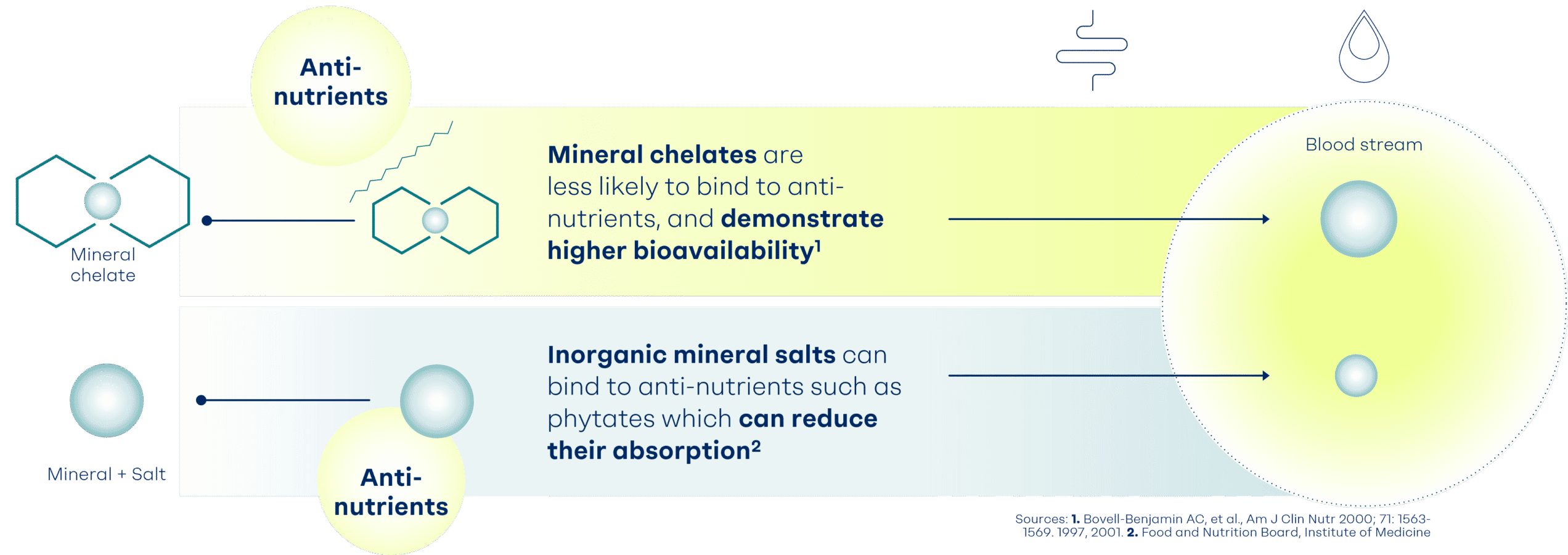
Because the magnesium is bound on both sides to the amino acid glycine, it easily withstands stomach acids and reaches the small intestine intact. Other substances in our food, such as phytic acid, cannot bind to the magnesium with this so-called “chelated magnesium.”
What is the best magnesium bisglycinate?
TRAACS® magnesium bisglycinate is the best form. It guarantees that each magnesium atom is bound to two glycine molecules. This chelated structure protects magnesium during digestion and supports optimal absorption in the small intestine.
TRAACS®
TRAACS® stands for The Real Amino Acid Chelate System. It is a patented chelation system that produces fully reacted minerals. In this process, magnesium is chemically and stably bound to glycine.
TRAACS® magnesium bisglycinate is proven to be a true chelate. The bond remains intact during digestion, resulting in predictable absorption.
Non-TRAACS® magnesium bisglycinate
Non-TRAACS® magnesium bisglycinate can vary significantly in quality. Some products consist of partially reacted chelates or mixtures of magnesium salts and amino acids. In those cases, the bond may already break down before absorption.
Because the chelation process for non-TRAACS® magnesium bisglycinate is not standardized, absorption can differ from one product to another.
What is the best choice
If your goal is maximum absorption, chemical stability, and verifiable quality, TRAACS® magnesium bisglycinate is generally the best choice.
Non-TRAACS® magnesium bisglycinate can also be effective, but its quality depends on the manufacturer and the chelation technique used.

What are possible side effects of magnesium bisglycinate?
Magnesium bisglycinate is bound to the amino acid glycine. This chelated structure changes how the body absorbs and processes magnesium. As a result, side effects may occur that are more specific to this form and less common with other types of magnesium.
Magnesium bisglycinate has fewer side effects than other forms of magnesium. The only known side effects are a (overly) relaxed feeling and mild gastrointestinal discomfort. However, these gastrointestinal symptoms are rarely accompanied by diarrhea, as is often the case with other magnesium forms, because magnesium bisglycinate is very well absorbed and therefore does not remain in the intestines.
Others also view:
Written by Wouter Olthof
Reviewed by Liesbeth Thoen
Updated on January 10, 2026