
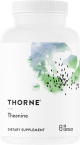
- Highly dosed and vegetarian
- Purest form of L-theanine
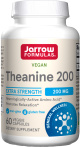
- 200 mg L-theanine per capsule
- Only 1 capsule per day for optimal ease of use
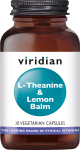
- Lemon balm has traditionally been used as a soothing herb
- Contains 200 mg L-theanine per capsule in free form
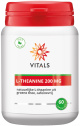
- 200 mg L-theanine per capsule
- Caffeine-free and without epigallocatechin gallate (EGCG)
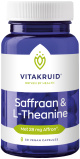
- Herbal combination for relaxation
- With patented 3:1 saffron extract (Affron®)
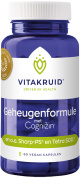
- Formula for the ability to concentrate
- Contains CDP-Choline, Bacopa, Phosphatidylserine, OPC, L-Theanine, SOD and B12
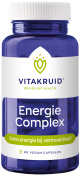
- Formula for more energy
- Contains theanine, EGCG and caffeine from green tea extracts
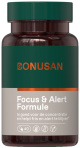
- Formula for concentration, learning ability and memory
- Contains shilajit, green tea, lions mane, bacopa and amino acids
- 100 mg L-theanine per capsule
- with Sunphenon® TH30
- Formula for mood
- Contains magnesium, L-theanine and saffron
- 200 mg L-theanine per capsule
- Suitable for vegetarians and vegans

- Contains the amino acids L-citrulline, L-arginine, beta-alanine and taurine
- Also with guayusa, mango and green tea extracts
- Formula for mood
- Contains 30 mg of saffron per capsule

- Contains the amino acids L-citrulline, L-arginine, beta-alanine and taurine
- Also with guayusa, green tea and ginger extracts
- Formula for stressful situations
- Contains milk protein hydrolysate, theanine and folic acid
- 300 mg of L-theanine in an omega-3 fish oil base per softgel
- Sustainable fishing (MSC certified)
Choose here from Theanine in dosages of 50 to 200 mg, generic or patented and pure or in a formula product. Or read more first.
Key takeaways
- L-theanine is an amino acid naturally found in green, black, and white tea.
- Dried tea leaves typically contain between 1% and 2% L-theanine.
- L-theanine supplements typically provide dosages ranging from 100 to 400 mg per day.
- L-theanine is very well tolerated when taken at the recommended dosage.
- L-theanine itself does not contain caffeine, but some combination products contain caffeine or tea extracts.
What is L-theanine?
L-theanine is an amino acid that occurs naturally in the tea plant (Camellia sinensis). It is one of the best-known natural compounds found in green, black, and white tea.
The amount of L-theanine in tea varies depending on the type of tea, harvest time, and processing method. Dried tea leaves generally contain between 1% and 2% L-theanine.
What makes L-theanine unique?
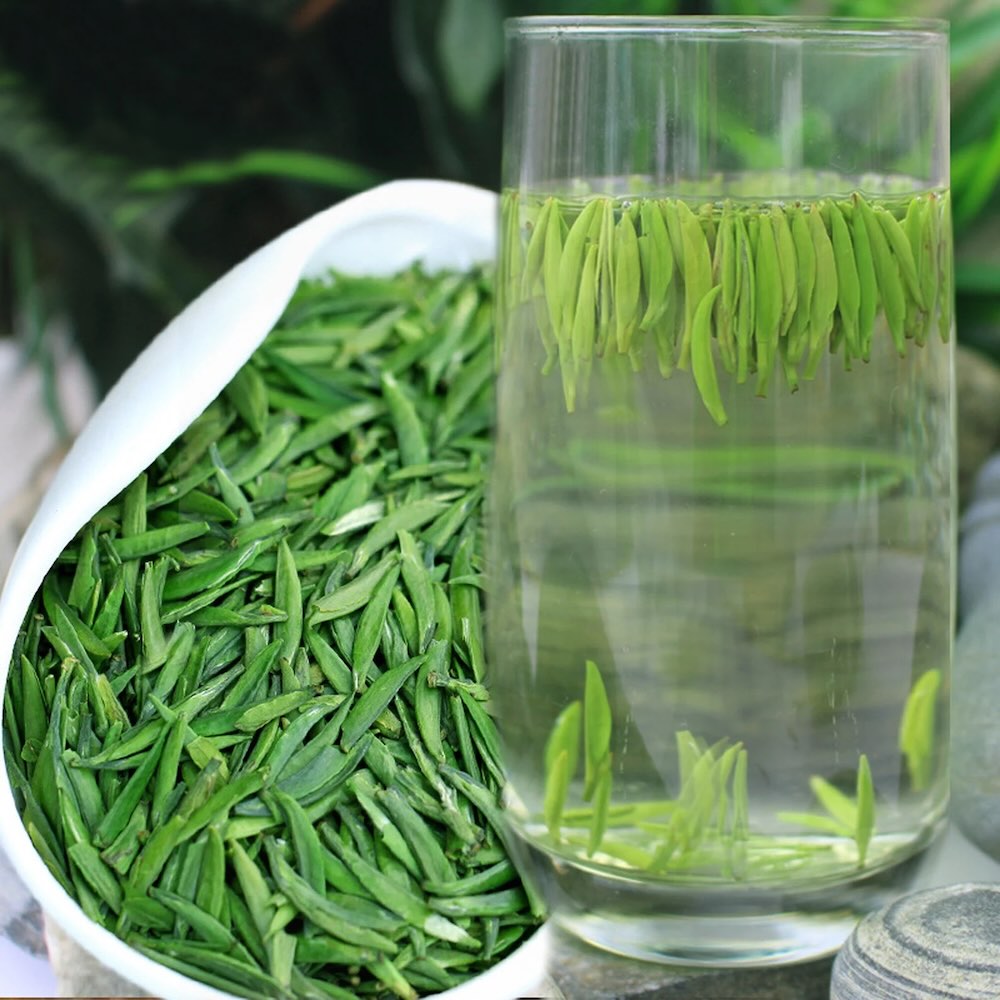
L-theanine occurs naturally almost exclusively in tea. This distinguishes it from many other amino acids found in a wide range of foods.
Because of its unique origin and properties, L-theanine has been the subject of scientific research for many years and is a widely used ingredient in dietary supplements.
How much L-theanine should you take per day?
L-theanine supplements are usually available in daily doses ranging from 100 to 400 mg.
The recommended dosage may vary by product. Always follow the directions for use on the label.
Does L-theanine have side effects?
L-theanine is generally well tolerated when taken at the recommended dosage.
If you take medication, are pregnant, or are breastfeeding, consult a doctor or qualified healthcare professional before use.
When can you take L-theanine?
L-theanine can be taken at different times of the day.
Many people choose a regular time that fits their daily routine. The supplement can generally be taken with or without food. Always follow the product’s directions for use.
What do users say about L-theanine?
Experiences with L-theanine vary by person and product. In reviews and product ratings, it is often described as a supplement that is easy to add to a daily routine. Some users report taking it at set times, such as while working or in the evening, depending on their personal preferences.
Experiences may also vary depending on the dosage, combination with other ingredients, and brand. Reviews and personal feedback therefore differ.
Does L-theanine contain caffeine?
L-theanine itself does not contain caffeine.
Some supplements combine L-theanine with caffeine or tea extracts, so check the label if you prefer to avoid caffeine.
L-theanine versus green tea
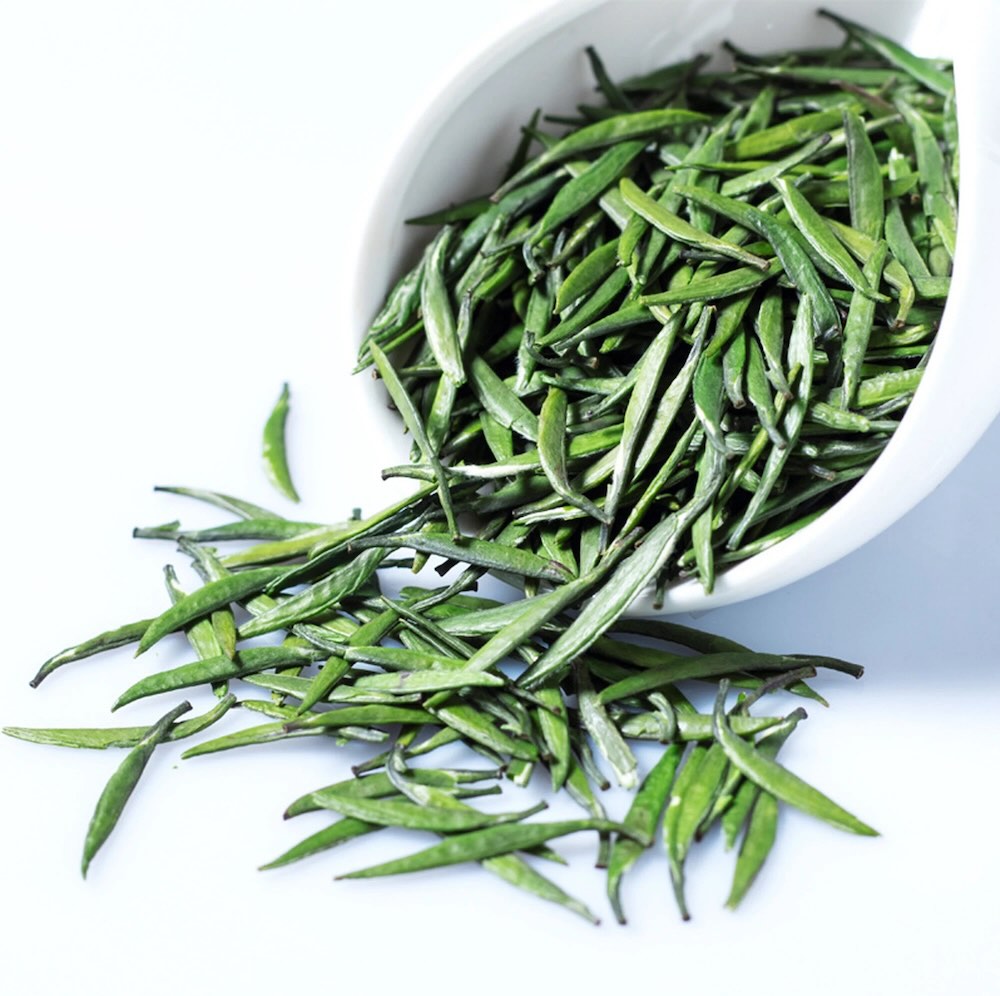
L-theanine occurs naturally in green tea, but green tea also contains other natural compounds, including catechins and polyphenols.
One well-known catechin is EGCG (epigallocatechin gallate). L-theanine and EGCG are different compounds, each with its own chemical structure.
Can you combine L-theanine with other ingredients?
Yes. L-theanine is available as a single-ingredient supplement, but it is also combined with other ingredients.
Examples include formulas containing saffron, lemon balm, or other plant extracts. The exact formulation varies by brand and product.
Which L-theanine supplement is best?
The best L-theanine supplement depends on your personal preferences and needs.
Some people choose a single-ingredient supplement, while others prefer a combination formula. When comparing products, consider factors such as dosage, ingredients, ease of use, and brand quality.
Others also look at:
Frequently asked questions about L-theanine
Is L-theanine the same as tea?
No. L-theanine is a natural compound found in tea, but it is not the same as tea itself.
Is L-theanine an amino acid?
Yes. L-theanine is an amino acid that occurs naturally in the tea plant.
Is L-theanine only found in green tea?
No. L-theanine occurs in several types of tea, including green, black, and white tea.
Is L-theanine available as a supplement?
Yes. L-theanine is available as a single-ingredient supplement and as part of combination formulas.
Sources:
Written by Liesbeth Thoen
Updated on July 25, 2026