
Fibermaxxing: pros and cons
Fibermaxxing: A Good Idea?
Anyone who follows health trends on social media has likely come across the term: fibermaxxing.
Fibermaxxing is the conscious increase of daily dietary fiber intake with the goal of improving digestion and overall health.
There have been quite a few health hypes on social media lately that we question, but this trend is one we can wholeheartedly embrace—provided it’s done sensibly. The health benefits of fiber were already well-known before it became a social media trend and are strongly supported by scientific evidence.
What Are Dietary Fibers?
Dietary fibers are carbohydrate-like indigestible components found in plant-based foods. They are not digested in the small intestine and reach the large intestine intact.
This is where they do their work. There are soluble and insoluble dietary fibers, each with specific properties.
Soluble fibers are mainly found in legumes, fruits, vegetables, oats, and psyllium. They dissolve in water and form a gel-like substance in the intestines. They are also called prebiotics because they stimulate the action of probiotics and thus contribute positively to our gut microbiome. They support healthy cholesterol and blood sugar levels in the blood.
Insoluble fibers are primarily found in whole grains and their products, nuts, seeds, and legumes. They do not dissolve in water and add bulk to the stool, promoting digestion and regular bowel movements.
How Much Fiber Do We Need?
In general, the recommended daily intake for adults is 30 to 40 grams of dietary fiber per day. Few people in the Netherlands meet this standard. Our diet typically contains too many ultra-processed products and too little fresh, unprocessed food.
By fibermaxxing, you add plant-based, fiber-rich foods to every meal. It’s a good idea to spread your fiber intake throughout the day rather than consuming it all at once.
Fiber can also cause gas and even constipation if suddenly consumed in large amounts. Therefore, the advice is to gradually increase your intake and drink plenty of water.
Also, aim for a varied intake of fibers. The more different types you consume, the better it is for your gut bacteria and overall health.
Is Fibermaxxing Difficult to Implement?
Fibermaxxing is surprisingly simple—you don’t have to give up anything. It’s just a matter of choosing and adding. Eat as many whole-grain products as possible: whole-grain bread instead of white bread, brown rice instead of white rice, and choose whole-grain pasta, crackers, etc.
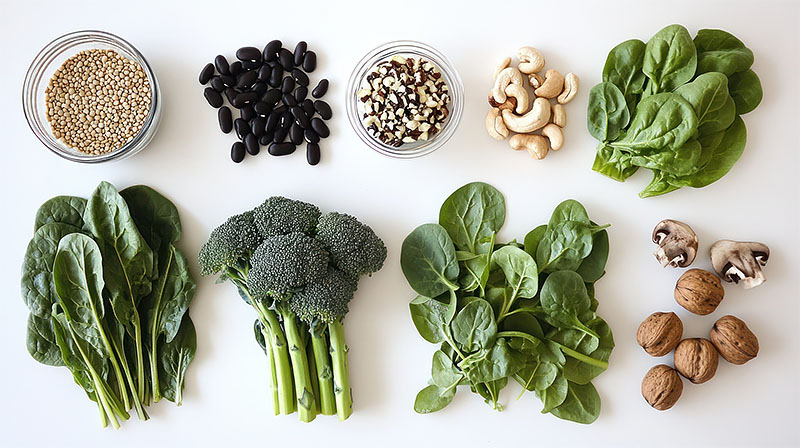
Add legumes to your lunch or dinner: chickpeas, lentils, and beans form a delicious base for many recipes. Eat enough vegetables and fruit every day. Add some raw vegetables to your meals daily.
Complete your breakfast with some nuts and seeds or add them to salads. A handful as a snack is also delicious.
Fiber in Supplements
Fibers are also available in supplement form. Think of arabinogalactans, guar fibers, psyllium fibers, apple pectin, rice bran, etc. The patented Sunfiber® (from guar beans) is part of several high-quality fiber supplements. Fibers are also often included in digestive formula supplements.
Fibers in supplement form are not a replacement for dietary fiber. They are designed for people who, for whatever reason, need extra fiber and cannot obtain it from food.
Is Fibermaxxing Suitable for Everyone?
No, fibermaxxing is not suitable for everyone. Some groups should be cautious or avoid extra fiber supplementation, especially without medical advice. This includes people with bowel conditions such as IBS, SIBO, or Crohn’s disease.
Additionally, people who suffer from delayed gastric emptying should always use extra fiber from food or supplements under medical supervision.
In general, the rule is: build up slowly and drink enough fluids.
Advice
Are you wondering if you’re getting enough fiber, or do you need personalized advice from our orthomolecular therapist Liesbeth based on the above?
Use our advice form or call during office hours at 050 - 850 36 88.
There are no costs or obligations associated with our advice.