
Insulin Resistance: causes, symptoms, and what you can do about it
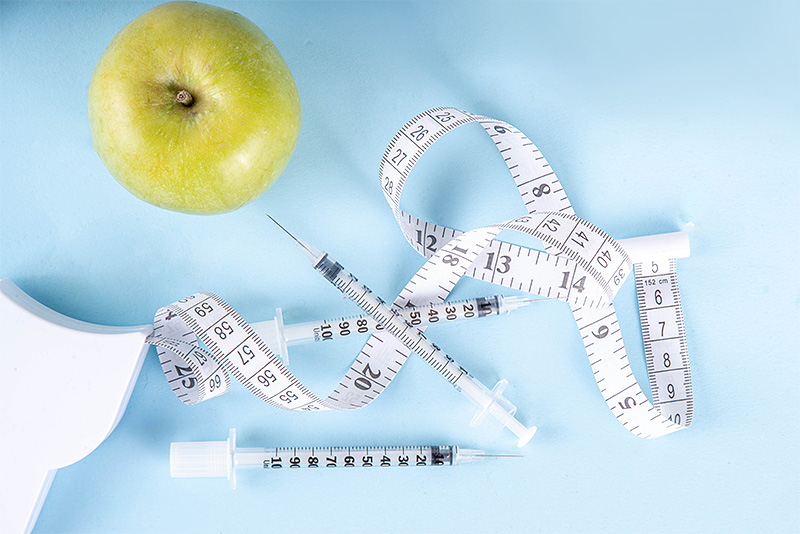
Insulin resistance means that the body’s cells become less sensitive to insulin, making it more difficult for glucose to be taken up from the bloodstream. As a result, blood glucose levels rise and the risk of prediabetes and type 2 diabetes increases.
The good news is that insulin resistance can often be improved through changes in diet, physical activity, sleep, and body weight.
What is insulin and what is insulin resistance?
Insulin is a hormone produced by the pancreas and released in response to carbohydrates from food, which are converted into glucose (sugar) in the body. Insulin regulates blood glucose levels by allowing glucose to move from the bloodstream into the body’s cells, where it can be used as an energy source.
With insulin resistance—also known as reduced insulin sensitivity—glucose remains in the bloodstream instead of being taken up by the cells, causing blood glucose levels to rise. At the same time, the cells do not receive enough glucose to produce energy for the muscles, brain, other vital organs, and various metabolic processes. In response, the pancreas often continues to produce extra insulin; this is known as hyperinsulinemia.
As a result, insulin levels in the blood also rise, which may eventually damage the beta cells in the pancreas—the cells responsible for producing insulin.
When left untreated, insulin resistance can have a range of effects on metabolism. In many people, it eventually precedes prediabetes or type 2 diabetes. This process can begin as early as 10 to 15 years before a diagnosis is made.
An increasing proportion of the Western population is affected by insulin resistance. Exact figures are difficult to provide because insulin resistance is not routinely recorded. In addition, many adults have insulin resistance without knowing it.
What are the symptoms of insulin resistance?
The most common physical symptoms include:
- fatigue
- increased thirst
- frequent urination
- weight gain or difficulty losing weight
In addition, the following symptoms may occur:
- headaches
- tingling in the hands or feet
- blurred vision
- irregular menstrual cycles
- slow wound healing
- recurrent infections
These symptoms usually occur at a later stage, when insulin resistance has progressed to type 2 diabetes. Many of the complications associated with type 2 diabetes can cause permanent damage if left untreated.
For example, blurred vision can result from prolonged high blood glucose levels, which can damage the small blood vessels in the retina. Ultimately, this can lead to permanent vision loss. Delayed wound healing and recurrent infections can also have serious consequences, including severe metabolic complications, sepsis (blood poisoning), or even gangrene.1
In its early stages, insulin resistance does not always cause noticeable symptoms. Some people only discover that they have insulin resistance after a blood test, which may include fasting blood glucose, HOMA-IR (a measure of insulin resistance), HbA1c (a measure of average blood glucose levels over the previous two to three months), and insulin levels.
As the condition progresses, blood lipid levels often change as well. Elevated triglycerides are particularly common, but elevated LDL cholesterol, total cholesterol, and inflammatory markers may also be detected. These findings may indicate that the body is less efficient at processing and clearing glucose.
What is the relationship between insulin resistance and visceral fat?
Insulin resistance and visceral fat (fat surrounding the organs in the abdomen) can reinforce each other. Because the pancreas produces more insulin in response to excess glucose in the bloodstream, the formation of visceral fat is promoted. Insulin promotes the uptake of glucose into fat cells, stimulates the conversion of excess glucose into fat, and inhibits the breakdown of fat.
Visceral fat produces pro-inflammatory substances and hormones that can further interfere with insulin function.
What are the risk factors for insulin resistance?
Insulin resistance can be caused by a variety of factors. An unhealthy diet, excess body weight, insufficient physical activity, and hormonal imbalances often play an important role. Genetic predisposition and certain medications may also contribute to its development.
It is important to know that insulin resistance can be either temporary or chronic. In many cases, the condition can be reversed because many of its key risk factors can be influenced through lifestyle changes.
Many risk factors for insulin resistance overlap with those of metabolic syndrome. Insulin resistance is therefore also common in people with metabolic syndrome (MetS). Metabolic syndrome is diagnosed when at least three of the following characteristics are present2:
- a waist circumference of more than 102 cm in men or 88 cm in women
- blood pressure of 130/85 mmHg or higher
- fasting blood glucose of 100 mg/dL (5.6 mmol/L) or higher
- triglyceride levels of 150 mg/dL (1.7 mmol/L) or higher
- HDL cholesterol levels ('good cholesterol') below 50 mg/dL (1.3 mmol/L) in women or below 40 mg/dL (1.0 mmol/L) in men
Early diagnosis by a physician or other healthcare professional is important. Reduced insulin sensitivity is associated with several conditions, including2:
- metabolic syndrome
- dyslipidemia (abnormal blood lipid levels)
- endothelial dysfunction (impaired function of the inner lining of the blood vessels)
- metabolic dysfunction-associated steatotic liver disease (MASLD), formerly known as non-alcoholic fatty liver disease (NAFLD)
- polycystic ovary syndrome (PCOS), which is also sometimes referred to as PMOS in relation to the underlying metabolic disturbances
When insulin resistance is not addressed, it can progress to prediabetes and eventually type 2 diabetes. This increases the risk of various complications, including:
- eye problems
- cardiovascular disease
- kidney disease
- stroke

How can you address insulin resistance?
Because many of the causes of insulin resistance can be influenced, early intervention provides an important opportunity to improve insulin sensitivity.
The key to preventing or reversing insulin resistance is to improve the sensitivity of the body’s cells to insulin. The main recommendations focus on diet and lifestyle.
1. Diet
A Mediterranean-style diet, emphasizing vegetables, lean protein sources, and healthy fats, can support improved insulin sensitivity and help with weight management. A ketogenic diet may contribute to weight loss and improved insulin sensitivity in some people.3
Regardless of which dietary pattern you follow, it is important to limit your intake of highly processed foods, sugar-sweetened beverages, and saturated fats, and to choose foods with a low glycemic index (GI) as much as possible.
Foods with a low glycemic index (GI) generally cause a slower rise in blood glucose levels. Glycemic load (GL), in addition, takes into account the amount of available carbohydrates in a serving.
Vegetables, legumes, whole grains, nuts, and seeds generally have a low glycemic load, while fruit tends to have a somewhat higher glycemic load.
2. Regular Physical Activity
Aim for at least 30 minutes of moderate-intensity physical activity, if possible on a daily basis.
Exercise does not necessarily have to take place in a gym or follow a strict training schedule. Look for ways to raise your heart rate and keep your body active.
If you are just starting to exercise, gradually increase the duration and intensity to help prevent injuries. If you already exercise for 30 minutes every day, consider adding some variety to your routine. For example, add strength training, join a group fitness class or running group, work with a personal trainer to develop a training program, or spend more time outdoors.
3. Manage Your Weight
If you have excess body fat, losing as little as 5% of your body weight may help improve insulin sensitivity, reduce the risk of diabetes, and improve blood glucose levels (HbA1c levels).
For someone weighing approximately 90 kg with excess body fat, this would mean losing around 4.5 kg. This is an achievable goal through increased physical activity, an appropriate dietary plan, adequate sleep, and stress reduction.
It is no coincidence that weight loss may also contribute to improvements in sleep quality, energy levels, mood, libido, and more.4
4. Optimize Your Macronutrient Intake
Do not focus solely on total calorie intake, but also consider the types of foods you eat. Consuming too many carbohydrates, or the wrong types of carbohydrates, can affect blood glucose and lipid levels.
Protein is a macronutrient that can help promote satiety and support muscle mass during periods of reduced calorie intake.
Fiber can help maintain healthy blood glucose levels.
The timing of meals and the order in which you consume different foods may also play a role in regulating blood glucose levels.5
5. Consider a Dietary Supplement
Dietary supplements can support a healthy lifestyle. Our Blood Sugar category page provides information about supplements that can contribute to the maintenance of normal blood glucose levels and normal insulin sensitivity.
Conclusion
Insulin resistance is a condition that is not always immediately recognized, but can eventually lead to prediabetes and type 2 diabetes. The good news is that insulin resistance can often be improved and, in some cases, reversed. The earlier you take action, the greater the potential for improvement.
What can help with insulin resistance?
- Choose a diet with a low glycemic index.
- Exercise regularly and include strength training.
- Reduce excess body fat.
- Get enough sleep and manage stress.
- Discuss the use of dietary supplements with a healthcare professional.
This blog article is a translation and adaptation of a Take 5 Daily article on Thorne.com
Author Thorne: Laura Kunces, PhD, RD, CSSD
NL Editor: Marcella van der Wel
Published on: August 20, 2026
References
1. National Institute of Diabetes and Digestive and Kidney Diseases. Symptoms & causes of diabetes | NIDDK. National Institute of Diabetes and Digestive and Kidney Diseases. https://www.niddk.nih.gov/health-information/diabetes/overview/symptoms-causes [Accessed July 7, 2026].
2. Freeman AM, Acevedo LA, Pennings N. Insulin resistance. In: StatPearls. StatPearls Publishing; 2024. https://www.ncbi.nlm.nih.gov/books/NBK507839/ [Accessed July 7, 2026].
3. Paoli A, Bianco A, Moro T, et al. The effects of ketogenic diet on insulin sensitivity and weight loss, which came first: The chicken or the egg? Nutrients. 2023;15(14). doi:10.3390/nu15143120.
4. Ryan DH, Yockey SR. Weight loss and improvement in comorbidity: Differences at 5%, 10%, 15%, and over. Current Obesity Reports. 2017;6(2):187–194. doi:10.1007/s13679-017-0262-y
5. Yang W, Jiang W, Guo S. Regulation of macronutrients in insulin resistance and glucose homeostasis during type 2 diabetes mellitus. Nutrients. 2023;15(21):4671. doi:10.3390/nu15214671