
Healthy Lipid Levels
Three ways to support healthy blood lipid levels
Fats – in the form of fatty acids and oils – are an essential part of a healthy diet. They are indispensable for biological functions such as energy storage, hormone production, nutrient absorption, and the structural building of cell membranes.
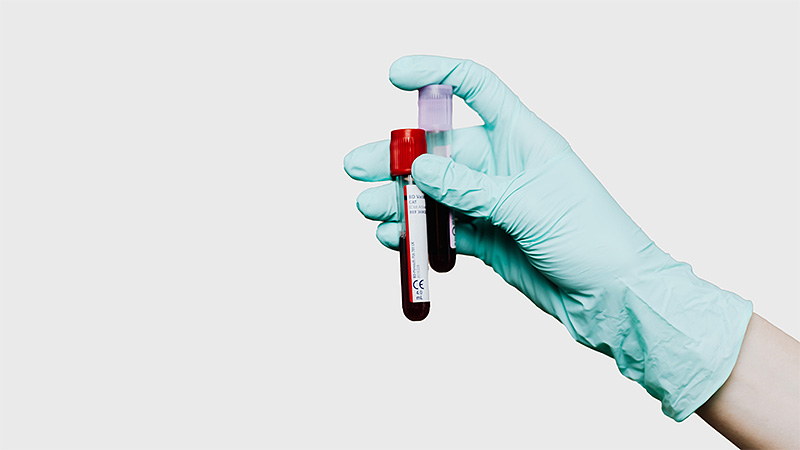
After absorption in the body, fats are transported through the blood, where they appear as so-called blood lipids: triglycerides and cholesterol. The amount and composition of these blood lipids provide important information about fat metabolism and cardiovascular risk. Cholesterol is the best-known lipid in this context.
Is cholesterol good or bad?
Cholesterol is needed for the production of hormones such as testosterone and estrogen, as well as for the synthesis of vitamin D and other important substances in the body.
Although cholesterol is essential for health, excessively high levels can have a negative impact on the body.
Cholesterol circulates in the bloodstream in three forms: very-low-density lipoprotein (VLDL), low-density lipoprotein (LDL), and high-density lipoprotein (HDL).
Cholesterol problems
Health issues may arise when the body contains too much LDL and VLDL and too little HDL.
- LDL and VLDL, the “bad” cholesterol types, can contribute to plaque formation in the walls of the arteries.
- HDL is referred to as the “good” cholesterol because it helps transport cholesterol back to the liver, where it can be broken down and excreted.
In addition to cholesterol, triglycerides are another type of lipid that play an important role in heart health. The body stores triglycerides in fat cells and uses them for energy.
As with LDL, high triglyceride levels may contribute to plaque buildup and hardening of the arterial walls.
Together, VLDL, LDL, HDL, and triglycerides form the body’s lipid profile. Maintaining a balanced lipid profile is important for cardiovascular health.
Below you will find three ways that may help maintain healthy lipid levels.
1. Lifestyle habits for healthy cholesterol levels
Healthy lifestyle choices are essential for managing lipid levels. These include:
- Increased physical activity: Regular exercise helps raise HDL levels and may lower LDL levels.
- Stress management: Chronic stress can negatively affect cholesterol levels. High stress is often associated with unhealthy eating habits, and diet influences cholesterol levels.
- Weight management: Maintaining a healthy weight helps support a favorable cholesterol profile.
2. Heart-healthy diet
What you eat influences your body’s lipid profile. A heart-healthy diet may include:
- Reducing sugar intake
- Limiting refined carbohydrates
- Avoiding trans fats
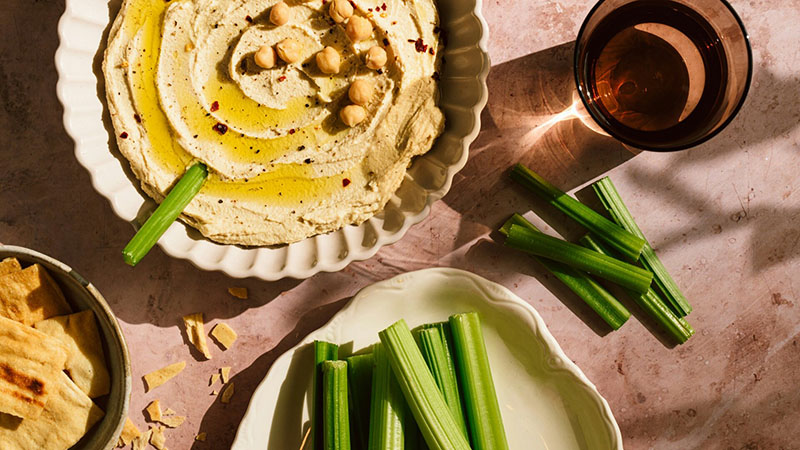
- Increasing intake of healthy fats, such as olive oil and foods rich in omega-3 fatty acids
- Eating more soluble fiber-rich foods
- Moderate alcohol consumption (preferably red wine, if you drink alcohol)
3. Supplements to support healthy lipid levels
In addition to diet and exercise, certain dietary supplements may help maintain lipid levels that are already within a healthy range. Here’s a selection:
Berberine
Berberine is found in various plants, including Berberis aristata. It is an alkaloid, a group of plant compounds with strong biological activity. Recent studies suggest that berberine may have beneficial effects on metabolism, including supporting healthy cholesterol and triglyceride levels. It has also been shown in numerous clinical studies to support healthy blood sugar levels.
How to choose a high-quality berberine supplement
Look for a berberine supplement with clearly stated dosage and well-absorbable forms, such as berberine hydrochloride (HCl) or a berberine phytosome complex. To ensure purity and potency, it is best to choose berberine that has been tested and certified by an independent organization.
Curcumin
Curcumin is a bioactive compound from the root of the turmeric plant. Turmeric is well known in cooking, where it gives Indian curries their bright yellow color.
Research shows that curcumin has various health-promoting properties, including support for healthy cholesterol levels.
How to choose a high-quality curcumin supplement
A challenge with curcumin is that it is relatively poorly absorbed by the body.
The best form of curcumin is a phytosome form, such as the patented Curcumin Phytosome by Meriva®. Phytosome technology binds curcumin extract to phospholipids, resulting in better absorption compared to other curcumin extracts on the market.
The most clinically studied form of curcumin available, Meriva® (curcumin phytosome), is absorbed 29 times better than standard curcumin.
Red yeast rice
Red yeast rice is rice fermented with a specific yeast known as Monascus purpureus. The fermentation process gives the rice its distinctive red color.
Numerous studies conducted in China and the United States suggest that red yeast rice may help maintain healthy cholesterol levels. Recent European legislation has set a legal maximum of less than 3 mg monacolin K per daily dose in red yeast rice products, while health claims are only allowed at 10 mg/day.
How to choose a high-quality red yeast rice supplement
Improper fermentation of red yeast rice can produce high levels of a mycotoxin called citrinin. Always choose a red yeast rice supplement produced through a carefully controlled fermentation process.
Garlic
The use of garlic, both as a culinary ingredient and for medicinal purposes, has a very long tradition. It contributes to healthy cholesterol levels.
Garlic contains allicin, which is formed when fresh garlic is crushed, chopped, or chewed. S-allylcysteine (SAC) is mainly found in aged (fermented) garlic, such as black garlic. During the aging process, allicin is broken down and converted into more stable, water-soluble sulfur compounds such as SAC.
How to choose a high-quality garlic supplement
Better garlic supplements contain extracts in special capsules that help reduce the strong odor and taste. It is almost impossible to eliminate it completely, but it is usually only mildly noticeable, especially when taken with food.
Fermented (or black) garlic is easier to digest and milder in taste than raw garlic. In addition, S-allylcysteine (SAC), derived from allicin in fresh garlic, is more stable and better absorbed.
Green tea
Green tea extract supplements typically contain a concentrated amount of catechins, especially EGCG (epigallocatechin gallate). These are polyphenols or plant-based antioxidants that help protect plants against harmful influences.
Because EGCG levels in supplements are higher and more consistent than in regular tea, they may help support healthy cholesterol levels.
How to choose a high-quality green tea supplement
Green tea extracts are concentrated and may contain high doses of EGCG. In high amounts, they can burden the liver in some individuals, especially when taken on an empty stomach. European regulations state that daily intake from supplements should not exceed 800 mg EGCG per day, and warning labels are required.
The best form of green tea is a phytosome form, such as the patented Green Tea Phytosome (Greenselect®). This technology binds green tea extract to phospholipids, improving absorption compared to other green tea extracts on the market.
* Health claim(s) pending approval by the European Commission.
This blog article is a translation and adaptation of a Take 5 Daily article on Thorne.com
Author Thorne: Austin Ruff, MA
NL Editor: Marcella van der Wel
Published on: May 11, 2026