
The Science of Creatine Absorption
Creatine: Absorption & Maximum Results
You have undoubtedly heard of the popular 'power supplement' creatine. Creatine is necessary for creating ATP, the main energy source of our cells. In this blog, we will delve deeper into how exactly creatine is absorbed and how that absorption can be improved.
How Creatine is Absorbed
There are two ways to obtain creatine: our own body produces it itself, or by consuming it through foods such as meat, fish, eggs, or supplements. Creatine is synthesized in our bodies from the amino acids arginine, glycine, and methionine and their respective enzymes. This synthesis contributes to about half of the daily need for creatine.
When it comes to dietary intake and supplementation, creatine is first absorbed by the body and then transported into the cells by a protein called the CRT1 transporter (also known as CreaT1 or SLC6A8). This contributes to the cell's creatine pool (more on what creatine pools are later). This receptor is activated when the total creatine content inside the cell decreases, or when the cells need more creatine.*1
Creatine Absorption in the Muscles
About 95% of the creatine in our body – both the type we produce ourselves and the type we consume – is stored in the skeletal muscles. This means roughly 5% is reserved for other organs such as the brain, kidneys, and liver. Therefore, muscles can easily absorb creatine. This is also one reason why there might be some fluid retention in the muscles when you start creatine supplementation. Creatine is an osmotically active fluid, meaning that when it enters the muscle cells, it takes water with it.*2
Studies show that creatine supplementation can enhance the body’s creatine pool, which refers to the total amount of creatine stored within skeletal muscles. This pool consists of two-thirds of creatine bound to phosphate and one-third of creatine in a free form.
This differs slightly from the cell's creatine pool: which refers to the amount of creatine in each cell that contributes to the body's total pool. The amount of creatine stored in a person’s creatine pool can vary based on their body composition, dietary intake, and supplementation. A person who weighs approximately 70 kg and consumes a meat-inclusive diet can have a creatine pool of about 120 grams, but the average person has the capacity to store up to 160 g in the muscles.*1-3
Creatine Absorption in the Brain
Creatine is well-known for enhancing muscle creatine levels, but more recently, great interest has arisen in researching creatine for brain health. It has now been shown that creatine supplementation can promote creatine levels in the brain; however, the optimal dosage of creatine for promoting brain health remains unclear, with studies suggesting dosages ranging from 5-20 grams or more per day.*4
When creatine is absorbed by the brain, it can cross the blood-brain barrier via the same protein as in the muscle: the CRT1 transporter. Although the brain can absorb creatine, it will more readily synthesize creatine on its own, and the brain itself can have a certain resistance to creatine uptake, unless there is a stressor such as increased exertion or inadequate sleep.*4
What can enhance the absorption of creatine?
There are a few things that can help improve the natural absorption of creatine, and those are consistency, exercise, and timing supplementation with an adequate meal.
Consistency. Various studies report that the most effective way to enhance muscle creatine stores is to consume 5 g of creatine monohydrate four times daily for 5-7 days, otherwise known as the 'loading dose'. This has been shown to boost muscle creatine stores by 20-40%. This loading period is followed by a daily maintenance dosage of 5 grams.
Other research suggests that consuming 3-5 grams per day for about a month can also effectively promote muscle creatine stores and saturate the muscles. Whichever route you choose, what these two supplementation strategies have in common is consistency. The best practice for taking creatine is to take it consistently, ideally at the same time, or around your workout window, each day.*5
Exercise. Most often, it is recommended to take creatine 30-90 minutes before or after exercise, to help with absorption. The increase in blood flow that occurs during exercise can result in greater creatine transport and accumulation in muscles. If you have ever heard of the 'anabolic window,' this is not much different. Think of it as your 'peri-workout' window, the time around your workout when there will be increased blood flow and an opportunity for creatine to be absorbed more efficiently.*5
Carbohydrates and protein. When we consume carbohydrates, insulin is released so that glucose can be absorbed into the cells. When consuming carbohydrates and creatine together, the insulin response associated with carbohydrate intake also aids creatine absorption and uptake into the muscle cells. Protein also stimulates an insulin response, although smaller than that of carbohydrates, allowing amino acids to be taken up into the muscle cells.
Taking a creatine supplement together with carbohydrates can also enhance post-exercise muscle glycogen storage when a sufficient amount of carbohydrate is consumed. In one study, during the first 24 hours after creatine supplementation, glycogen resynthesis was 82% higher in the group taking creatine compared to the placebo, which is beneficial for athletes and active individuals.*6
What can inhibit the absorption of creatine?
It is said that caffeine might inhibit the absorption of creatine, as caffeine increases muscle relaxation time. Creatine has the opposite effect, namely shortening the time the muscle is relaxed, which promotes enhanced force production. Although the combination of caffeine and creatine may cause stomach upset in some individuals, it is known that both creatine and caffeine are performance-enhancing and are commonly found together in pre-workout supplements. Research has shown that this combination improves exercise performance and positive adaptations in muscle mass.*7
All in all, it may depend more on the person and whether they prefer to take creatine with caffeine. Again: consistency is key!
How does absorption differ between powder and gummies or capsules?
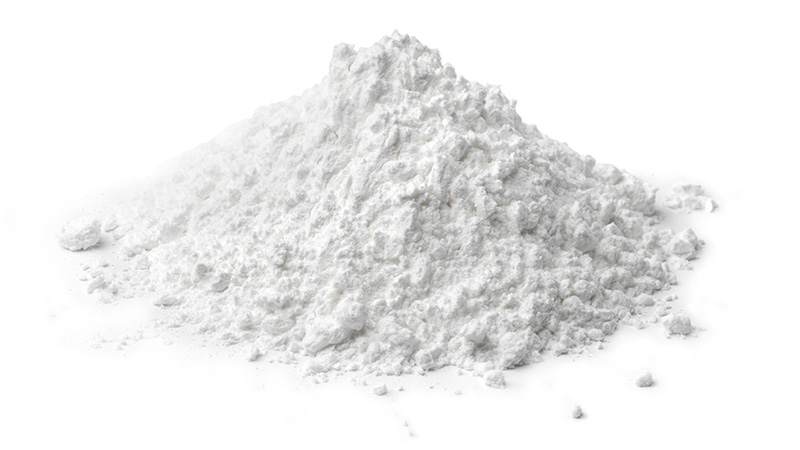
Creatine monohydrate powder is the most researched and effective form of creatine. Typically, one scoop of creatine contains 5 grams of micronized creatine monohydrate, the typical daily dose (more during the 'loading phase') recommended for muscle maintenance, promoting lean body mass, improving exercise capacity, increasing cellular energy, and much more. There are other forms of creatine, such as creatine ethyl ester, buffered creatine, and creatine HCl, but creatine monohydrate is by far the most researched.
Most creatine gummies or capsules contain about 1-2 g of creatine per gummy/capsule, and multiple gummies/capsules are needed to reach the recommended daily dose of 5 grams. Thus, more gummies/capsules are needed to achieve the recommended dosage, meaning this choice is generally more caloric and more expensive, and gummies or capsules often contain various excipients.
And, very importantly: good micronized powder dissolves easily in water and will be absorbed quickly. Gummies or capsules require more digestion, making the creatine monohydrate susceptible to further breakdown.
This blog article is a translation and adaptation of a Take 5 Daily article on Thorne.com
Thorne Author: Maura Donovan, MS, RD, CSSD
NL Editor: Peter Smeets
Published on: December 8, 2025
References
1. Cooper R, Naclerio F, Allgrove J, Jimenez A. Creatine supplementation with specific view to exercise/sports performance: an update. J Int Soc Sports Nutr. 2012;9(1):33. doi:10.1186/1550-2783-9-33
2. Kreider RB, Stout JR. Creatine in health and disease. Nutrients. 2021;13(2):447. doi:10.3390/nu13020447
3. Buford TW, Kreider RB, Stout JR, et al. International Society of Sports Nutrition position stand: creatine supplementation and exercise. J Int Soc Sports Nutr. 2007;4:6. doi:10.1186/1550-2783-4-6
4. Forbes SC, Cordingley DM, Cornish SM, et al. Effects of creatine supplementation on brain function and health. Nutrients. 2022;14(5):921. doi:10.3390/nu14050921
5. Ribeiro F, Longobardi I, Perim P, et al. Timing of creatine supplementation around exercise: a real concern?. Nutrients. 2021;13(8):2844. doi:10.3390/nu13082844
6. Roberts PA, Fox J, Peirce N, et al. Creatine ingestion augments dietary carbohydrate mediated muscle glycogen supercompensation during the initial 24 h of recovery following prolonged exhaustive exercise in humans. Amino Acids. 2016;48(8):1831-1842. doi:10.1007/s00726-016-2252-x
7. Kendall KL, Moon JR, Fairman CM, et al. Ingesting a preworkout supplement containing caffeine, creatine, β-alanine, amino acids, and B vitamins for 28 days is both safe and efficacious in recreationally active men. Nutr Res. 2014;34(5):442-449. doi:10.1016/j.nutres.2014.04.003